


خرید و دانلود نسخه کامل کتاب Anatomy and Physiology
قیمت اصلی 133,000 تومان بود.58,000 تومانقیمت فعلی 58,000 تومان است.

خرید و دانلود نسخه کامل کتاب Netter's Head and Neck Anatomy for Dentistry
قیمت اصلی 129,000 تومان بود.54,000 تومانقیمت فعلی 54,000 تومان است.
📥 ترافیک اینترنت مصرفی جهت دانلود فایلها در الی فایل، بهصورت نیمبها می باشد.
فقط اینقدر👇 دیگه زمان داری با تخفیف بخریش
00روز
22ساعت
40دقیقه
48ثانیه
-26%
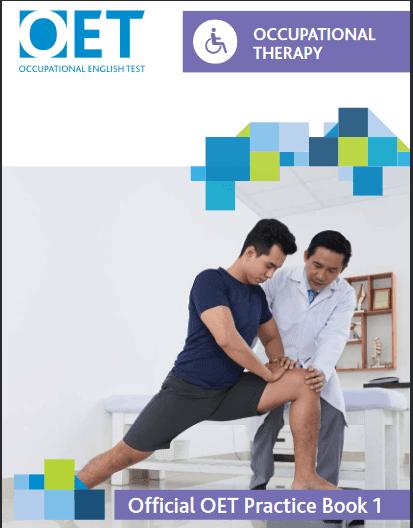
خرید و دانلود نسخه کامل کتاب OET Occupational Therapy: Official OET Practice Book 1 – original PDF
قیمت اصلی 104,500 تومان بود.77,500 تومانقیمت فعلی 77,500 تومان است.
تعداد فروش: 48
نویسنده : Cambridge Boxhill Language Assessment (OET)
فرمت فایل : PDF اصلی
تعداد صفحات : 232 صفحه
زبان انگلیسی
2
آیتم فروخته شده در 55 دقیقه
3
نفر در حال مشاهده این محصول هستند!
توضیحات
27PRACTICETEST 1 Text CA pH of between 1 and 5.5 is reliable confirmation that the tube is not in the lung, however, it does not confirm gastric placement. If this is any concern, the patient should proceed to x-ray in order to confirm tube position. Where pH readings fall between 5 and 6 it is recommended that a second competent person checks the reading or retests. PROCEED TO FEED or USE TUBE Record result in notes and subsequently on bedside documentation before each feed/medication/flush YES YES pH between 1 and 5.5 pH NOT between 1 and 5.5 YES NO NO NO Aspirate obtained? • Estimate NEX measurement (Place exit port of tube at tio of nose. Extend tube to earlobe, and then to xiphistemum) • Insert fully radio-opaque nasogastric tube for feeding (follow manufacturer’s instructions for insertion) • Confirm and document secured NEX measurement • Aspirate with a syringe using gentle suction Aspirate obtained? Test aspirate on CE marked pH indicator paper for use on human gastric aspirate Try each of these techniques to help gain aspirate: • If possible, turn child/infant onto left side • Inject 1-5ml air into a tube using a syringe • Wait for 15-30 minutes before aspirating again • Advance or withdraw tube by 1-2cm • Give mouth care to patients who are nil by mouth (stimulates gastric secretion of acid) • Do not use water to flush DO NOT FEED or USE TUBE Consider re-siting tube or call for senior advice Competent clinician (with evidence of training) to document confirmation of nasogastric tube position in stomach Proceed to x-ray, ensure reason for x-ray documented on request form Text D Administering feeds/fluid via a feeding tube Feeds are ordered through a referral to the dietitian. When feeding directly into the small bowel, feeds must be delivered continuously via a feeding pump. The small bowel cannot hold large volumes of feed. Feed bottles must be changed every six hours, or every four hours for expressed breast milk. Under no circumstances should the feed be decanted from the container in which it is sent up from the special feeds unit. All feeds should be monitored and recorded hourly using a fluid balance chart. If oral feeding is appropriate, this must also be recorded. The child should be measured and weighed before feeding commences and then twice weekly. The use of this feeding method should be re-assessed, evaluated and recorded daily. END OF PART A THIS TEXT BOOKLET WILL BE COLLECTED 31PRACTICETEST 1 Questions 16-20 Complete each of the sentences, 16-20, with a word or short phrase from one of the texts. Each answer may include words, numbers or both. 16 If a feeding tube isn’t straight when you unwrap it, you should it. 17 Patients are more likely to experience if they need long-term feeding via a tube. 18 If you need to give the patient a standard liquid feed, the tube to use is in size. 19 You must take out the feeding tube at once if the patient is coughing badly or is experiencing . 20 If a child is receiving via a feeding tube, you should replace the feed bottle after four hours. END OF PART A THIS QUESTION PAPER WILL BE COLLECTED 33PRACTICETEST 1 Part B In this part of the test, there are six short extracts relating to the work of health professionals. For questions 1-6, choose answer (A, B or C) which you think fits best according to the text. 1. If vaccines have been stored incorrectly, A this should be reported. B staff should dispose of them securely. C they should be sent back to the supplier. Manual extract: effective cold chain The cold chain is the system of transporting and storing vaccines within the temperature range of +2°C to +8°C from the place of manufacture to the point of administration. Maintenance of the cold chain is essential for maintaining vaccine potency and, in turn, vaccine effectiveness. Purpose-built vaccine refrigerators (PBVR) are the preferred means of storage for vaccines. Domestic refrigerators are not designed for the special temperature needs of vaccine storage. Despite best practices, cold chain breaches sometimes occur. Do not discard or use any vaccines exposed to temperatures below +2°C or above +8°C without obtaining further advice. Isolate vaccines and contact the state or territory public health bodies for advice on the National Immunisation Program vaccines and the manufacturer for privately purchased vaccines. 34PRACTICETEST 1 2. According to the extract, prior to making a home visit, nurses must A record the time they leave the practice. B refill their bag with necessary items. C communicate their intentions
نظرات (0)
نقد و بررسیها
هنوز بررسیای ثبت نشده است.