

خرید و دانلود نسخه کامل کتاب Cryptocurrency, Decentralized Finance Blockchains and Robust Trading Strategies - Original PDF
قیمت اصلی 109,000 تومان بود.55,000 تومانقیمت فعلی 55,000 تومان است.
خرید و دانلود نسخه کامل کتاب Trattato di Ginecologia e Ostetricia. Volume 2
قیمت اصلی 161,000 تومان بود.86,000 تومانقیمت فعلی 86,000 تومان است.
📥 ترافیک اینترنت مصرفی جهت دانلود فایلها در الی فایل، بهصورت نیمبها می باشد.
فقط اینقدر👇 دیگه زمان داری با تخفیف بخریش
00روز
01ساعت
32دقیقه
27ثانیه
-50%
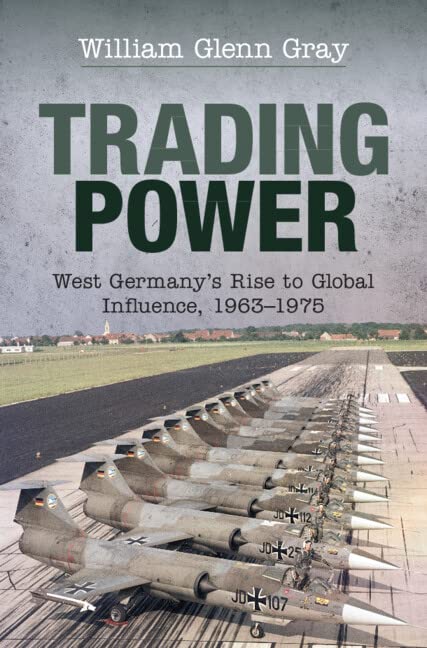
خرید و دانلود نسخه کامل کتاب Trading Power: West Germany’s Rise to Global Influence, 1963–1975 – Original PDF
قیمت اصلی 109,000 تومان بود.55,000 تومانقیمت فعلی 55,000 تومان است.
تعداد فروش: 46
Author:
William Glenn Gray
1
آیتم فروخته شده در 55 دقیقه
3
نفر در حال مشاهده این محصول هستند!
توضیحات
To Willy Brandt, there was little doubt about Germany’s status. “We are not a military great power, we never wanted to be one,” he remarked in March 1965. “And since we are a divided country, we cannot be a political power of the first order. . . .” There was, however, another side to the story. “We have become something like an economic great power,” Brandt acknowledged. “That does not just make friends for us in the world; to many, we have grown too fat.” As a result, outside observers were far more critical than they had been ten years earlier, on the tenth anniversary of the war’s end. Germany in 1965 was rich yet vulnerable. Brandt was speaking to a closed forum of the opposition Social Democratic Party (SPD), the party he chaired while also serving as mayor of West Berlin. His comments reflect the questions many German leaders were asking in the mid-1960s. Now that the Federal Republic of Germany (FRG), the western portion of the former Reich, had achieved a certain stability and prosperity, what was its proper place in the world? Although Brandt stressed the limits of German power, he expressed the conviction that the German people – he used the word Volk – had positive traditions of international relevance. His speech closed with a plea that Germany’s economic standing be supplemented with efforts to promote “the worldwide impact [Weltgeltung] of this people in intellectual, cultural, and scientific matters.
نظرات (0)
نقد و بررسیها
هنوز بررسیای ثبت نشده است.